Category Archives: CIVIL PROCEDURE

Transgender Name Change Petitions: Changing Gender on a Birth Certificate (15-05)

Name Change v. Gender Change: Presiding over a name change petition for an adult is a common occurrence forTransgender most judges. As long as certain legal and procedural requirements are met, approving the petition is usually simple and straightforward. This is true whether petitioner is male, female or transgender. A petition filed by a transgender person, seeking only a name change, is no different from a petition filed by any other adult male or female.

However, in some cases, a petition filed by a transgender person may ask the court for an order changing the gender designation on the birth certificate. Amending the birth certificate to accurately reflect the gender with which the individual identifies, may be an extremely important step for a transgender person.

This Training Update will explain when and under what authority the District Court can grant such a request (and will also discuss one additional option available to the petitioner).

Click on the Link Below to Read More:

PendletonUpdate15-05


DISTRICT COURT REVIEW OF ARBITRATION AWARDS – One Common Mistake Judges Can Easily Fix (14-24)

PROBLEM – CONFIRM arbitration vs. VACATE AWARD: One problem the Court of Appeals sees on a regular basis involves the District Court review of Arbitration Awards. Typically one side moves to “vacate” the award and the other side files a separate motion to “confirm” the award. According to the Court of Appeals, in many cases where the court denies the motion to vacate, judges frequently neglect to rule on the motion to confirm the award (or in absence of a motion, fails to sua sponte confirm the award). An appeal can only be taken from a judgment that “confirms” the arbitration award. An order that denies a motion to vacate (but fails to “confirm” the award), leaves the case “hanging” and no appeal can be taken.

This one page  Update states the problem,  identifies the applicable statute, applies a solution in the form of a Judicial Best Practice and provides Court Administrators with advice on how to avoid the problem.

TO READ MORE CLICK ON LINK BELOW:

PendletonUpdate14-24


CIVIL JURY TRIALS: 10 TRIAL ISSUES JUDGES SHOULD BE PREPARED FOR (14-19)

Most judges tend tCIVIL.LAWo preside over criminal jury trials more frequently than they do civil jury trials. Thus, it is not surprising that many judges are more familiar with and comfortable handling criminal jury trial issues than they are civil jury trial issues. In the world of civil jury trials there are certain legal issues that tend to occur with a fair amount of frequency. Because most civil trial attorneys deal with these issues regularly, trial judges must be prepared to address these same issues, sometimes on very short notice. This update addresses ten common civil jury trial issues that every judge should be prepared for.

PendletonUpdate14-19


CONCILIATON COURT – PROOF OF SERVICE – URBAN MYTH (14-12)

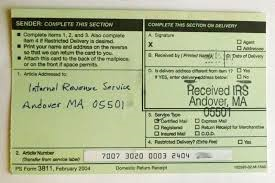
certified mail recieptCERTIFIED MAIL: Minn. R. Gen. Prac. 508(d)(1) provides that a Conciliation Court summons in excess of $2500 is to be served on the defendant “by certified mail, and proof of service must be filed with the [court] administrator.”

PROOF OF SERVICE – URBAN MYTH: Many years ago an entire generation of judges and court administrators were taught that in order for a party to establish proof of service in conciliation court cases, the serving party was required to file an affidavit of service by certified mail with the post office “return receipt” attached. (i.e. the green colored return receipt) confirming that the certified mail statement of claim and summons had been claimed. THAT IS A MYTH. THERE IS NO REQUIREMENT THAT THE GREEN RETURN RECEIPT MUST BE FILED.

CLICK ON LINK BELOW TO READ MORE 

PendletonUpdate14-12

ORDERING SUMMARY JUDGMENT “SUA SPONTE” THE MORNING OF TRIAL 14-01

QUESTION: Prior to commencement of a civil trial, during discussion between the court and counsel, the court determines that there are no material issues of fact for the court or jury to decide. Does the trial court have inherent authority to grant summary judgment on its own motion the day of trial without notice to the parties as required by Minnesota Rule of Civil Procedure 56.03?

CLICK LINK BELOW TO READ MORE

Pendleton Update 14-1


Civil Judgments – Ten Questions Every Judge Should Know (12-02)

This Update answers ten basic questions that every judge and attorney should know about civil judgments.

CLICK ON LINK BELOW TO READ MORE

PendletonUpdate12.02

Ex-Parte Temporary Restraining Order: Five “Dahlberg” Factors (11-13)

QUESTION: WHILE IN CHAMBERS YOU ARE ASKED TO RULE ON A REQUEST FOR AN “EX-PARTE TEMPORARY RESTRAINING ORDER”. WHAT TWO QUESTIONS MUST THE COURT ANSWER IN ORDER TO PROPERLY RULE?

CLICK ON LINK TO READ MORE

Pendleton11.13-Ex-Parte_Temporary_Restraining_Order

PARTIAL SUMMARY JUDGMENT – RULE 54.02 (10-21)

After Issuing A Partial Summary Judgment Order, In Which You Dismiss Some But Not All Of The Claims and/or Parties To A Lawsuit, The Court Should Ask Itself The Following Question. Does The Court Want The Losing Party To Have The Right To Immediately Appeal The Partial Summary Judgment Order, Or Should The Losing Party Have To Wait Until The End Of The Case, After All Claims Have Been Resolved and a Final Judgment Has Been Entered, Before Filing An Appeal?

CLICK ON LINK BELOW TO READ MORE

Pendleton10.21-Partial_Summary_Judgement-Rule_54.02