Category Archives: DOMESTIC VIOLENCE

Domestic Assault by Strangulation: A Precursor to Homicide; Facts Every Judge and Attorney Should Know

1. URGENT CONCERN: Throughout the United States, including Minnesota, bail hearings and the prosecution of Felony Domestic Abuse by Strangulation cases are occassionally presided over by judges and prosecutors who are not fully aware of the insidious nature of strangulation. In some cases, bail is set at meager amounts, and prosecution cases are resolved with plea agreements that ignore the terrifying reality of strangulation cases, leaving the victim and her family justifiably upset (and terrified.)

2. PURPOSE: This training update aims to educate the bench and bar about critically essential facts that must be considered in every Domestic Strangulation bail hearing and prosecution. An extensive list of resource materials and authorities is listed at the end of this training update.

3. 609.2247 DOMESTIC ASSAULT BY STRANGULATION

Subdivision 1. Definitions. (a) As used in this section, the following terms have the meanings given.

(b) “Family or household members” has the meaning given in section 518B.01, subd. 2

(c) “Strangulation” means intentionally impeding normal breathing or circulation of the blood by applying pressure on the throat or neck or by blocking the nose or mouth of another person.

Subd. 2. Crime. Unless a greater penalty is provided elsewhere, whoever assaults a family or household member by strangulation is guilty of a felony and may be sentenced to imprisonment for not more than three years or to payment of a fine of not more than $5,000 or both.

4. MECHANICS OF STRANGULATION: Strangulation is a form of asphyxia characterized by the closure of blood vessels and air passages due to external pressure on the neck. This can lead to unconsciousness within seconds and death within minutes if pressure is not released.

5. CONSIDER THESE ALARMING STATISTICS:

  • Nationally, studies show that 7-10% of all women have experienced strangulation by an intimate partner at least once in their lifetime.
  • Up to 68% of victims of domestic violence report being strangled.
  • In domestic homicide cases, prior strangulation is present in 45% of cases.
  • Strangulation is one of the top predictors of future domestic homicide. Women who have been strangled by their partner are ten times more likely to be killed by that partner.
  • In other words, strangulation is often one of the last abusive acts committed by a violent domestic partner before murder. 

KEY FACTS THAT EVERY JUDGE AND ATTORNEY SHOULD KNOW BEFORE MAKING BAIL OR PLEA AGREEMENT DECSIONS IN DOMESTIC STRANGULATON CASES:

1. The Ugly World of Strangulation – The Victim’s Reality:

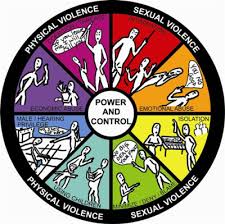
  • The act of strangulation symbolizes an abuser’s power and control over the victim. The sensation of suffocating can be terrifying.
  • The victim is completely overwhelmed by the abuser; she vigorously struggles for air and is at the mercy of the abuser for her life.
  • A single traumatic experience of strangulation or the threat of it may instill such intense fear that the victim can get trapped in a pattern of control by the abuser and be made vulnerable to further abuse.

2. The “Neck” Is the Most Vulnerable Part of The Body:

  • Blood and oxygen all flow from the body to your brain through the NECK.
  • The NECK is the most unprotected and vulnerable part of the body.
  • More severe injuries occur from NECK trauma than anywhere else.

3. Medical Facts:       

  • Strangulation stops blood flow to the brain (carotid artery).
  • Lack of blood flow to the brain will cause unconsciousness in 10 seconds.
  • Lack of blood flow to the brain will cause death in 4 minutes.
  • It only takes “4 psi” to stop blood flow to the brain. For example:

    • It takes less pressure than opening a can of soda (20 psi);
    • It takes less pressure than an average handshake (80-100 psi);
    • It takes less pressure than pulling the trigger of a gun (6 psi);
    • It takes 33 psi to fracture a victim’s larynx (less than a handshake) vs “4 psi” to stop blood flow to the victim’s brain.

4. Lack Of Visible Marks on The Skin: The lack of visible injuries in strangulation cases is well-documented in medical and legal literature. Research indicates that up to 50% of strangulation victims do not have visible external injuries despite experiencing significant internal trauma. In other words, the absence of visible injuries does not mean no harm was inflicted.

5. Strangulation Can Cause Substantial Injuries (Often Delayed):

  • Physical injuries: Death, unconsciousness, fractured trachea/larynx, damage to blood vessels leading to internal bleeding (hemorrhage) and artery damage (intimal tears), dizziness, nausea, sore throat, voice changes, throat and lung injuries, swelling of the neck (edema), breathing and swallowing problems, ringing in the ears (tinnitus), vision change, miscarriage;
  • Neurological injuries: Pressure on the neck can disrupt blood flow to the brain, leading to neurological symptoms such as confusion, memory loss, stroke, facial or eyelid droop (palsies), left or right-side weakness (hemiplegia), loss of sensation, loss of memory, paralysis;
  • Psychological injuries: PTSD, depression, suicidal ideation, memory problems, nightmares, anxiety, severe stress reaction, amnesia, and psychosis;
  • Delayed Symptoms and Fatality: Death can occur days or weeks after the attack due to carotid artery dissection and respiratory complications such as pneumonia, respiratory distress syndrome (ARDS), and the risk of blood clots traveling to the brain (embolization). Some symptoms, such as swelling, voice changes, difficulty swallowing, and neurological issues, may appear hours or even days after the incident.

6. Physical Injuries Occurring Within 30 seconds:

  • Loss of Consciousness: This typically occurs within 10-15 seconds due to a lack of oxygen to the brain.
  • Neurological Damage: This can occur within 30 seconds, potentially leading to brain damage or death if not promptly relieved.
  • Internal Injuries: Damage to the larynx, trachea, blood vessels, and other structures in the neck can occur within seconds to a minute of applying pressure during strangulation.

7. Some Good News: In 2005, Minnesota was one of only six states with a statute making strangulation of a family or household member a felony-level crime. Currently, 49 states and the District of Columbia have felony strangulation laws. Ohio was the last state to pass such legislation, with its law taking effect in April 2023. This widespread legislative action underscores the recognition of strangulation as a severe and potentially lethal form of domestic violence.

  • The Training Institute on Strangulation Prevention provides a detailed chart of state statutes related to strangulation. The institute updates this information regularly to reflect current legislative changes (Training Institute on Strangulation Prevention).

Summary: It is crucial that Judges and attorneys understand that domestic strangulation is a significant predictor of future domestic homicide. Recognizing the medical impact, such as the rapid onset of unconsciousness and potential for brain damage or death, is crucial in making informed bail and prosecution decisions. Strangulation is treated as a severe felony due to the immediate and potentially fatal consequences it carries, and understanding its prevalence in domestic violence cases underscores the need for stringent legal measures.

Alan F. Pendleton, Attorney (former district court judge)  afpendleton@gmail.com; pendletonupdates.com; linkedin.com

RESOURCE PAGE

Medical-Physiological Facts

  1. Mechanics of Strangulation and Physiological Effects:
    • Source: Training Institute on Strangulation Prevention
    • Citation: “Strangulation is a significant predictor for future lethal violence. Unconsciousness may occur within seconds and death within minutes.”
    • URL: Training Institute on Strangulation Prevention
  2. Signs and Symptoms:
    • Source: Journal of Emergency Medicine
    • Citation: “Strangulation injuries can result in voice changes, difficulty breathing, and swallowing, and may present with bruising, petechiae, and other physical signs.”
    • URL: Journal of Emergency Medicine

National Overview

  • Strangulation as a Domestic Violence Crime:
    • Source: National Domestic Violence Hotline
    • Citation: “Strangulation is recognized as a severe form of domestic violence and is addressed specifically in many state statutes due to its lethality.”
    • URL: National Domestic Violence Hotline

Statistics

  • Minnesota and National Statistics:
    • Source: National Coalition Against Domestic Violence (NCADV)
    • Citation: “Up to 68% of victims of intimate partner violence report being strangled. Women who have been strangled are ten times more likely to be killed by their partner. Nationally, 7-10% of women report being strangled by an intimate partner.”
    • URL: NCADV
  • Predictor of Lethal Violence:
    • Source: American Journal of Public Health
    • Citation: “In domestic violence homicide cases, prior non-fatal strangulation is present in 45% of cases.”
    • URL: American Journal of Public Health

The lack of visible injuries in strangulation cases is a well-documented phenomenon in medical and legal literature. Here are some authoritative sources that address this issue:

  1. National Institute of Justice (NIJ)
    • Citation: “A significant portion of strangulation cases may present with no visible injuries, which can complicate the investigation and prosecution of these crimes.”
    • URL: National Institute of Justice – Strangulation
  2. Journal of Emergency Medicine
    • Citation: “Research indicates that up to 50% of strangulation victims do not have visible external injuries, despite experiencing significant internal trauma.”
    • URL: Journal of Emergency Medicine
  3. Training Institute on Strangulation Prevention
    • Citation: “Studies show that in many strangulation cases, there are no visible injuries, which means that the absence of external marks does not correlate with the severity of the assault.”
    • URL: Training Institute on Strangulation Prevention
  4. American College of Emergency Physicians (ACEP)
    • Citation: “Victims of strangulation often exhibit no visible external injuries, even though they may suffer severe internal injuries and symptoms that are not immediately apparent.”
    • URL: ACEP – Strangulation Injuries
  5. National Domestic Violence Hotline
    • Citation: “Strangulation can result in significant internal injuries without external signs, making it a particularly insidious form of domestic violence.”
    • URL: National Domestic Violence Hotline
  6. Futures Without Violence

BAIL HEARINGS IN FELONY STRANGULATION CASES – SEVEN MEDICAL-PHYSIOLOGICAL FACTS EVERY JUDGE AND ATTORNEY SHOULD KNOW (18-01)

Graphic_Abusers-strangle-to-show-their-victims

I write this post out of a sense of urgent concern. I recently observed an absolutely dismal bail hearing in a FELONY strangulation case presided over by a clueless judge and an uninformed prosecutor. (I will not mention the name of the county, judge or prosecutor).

After the defense attorney made an impassioned “no bail” argument that was filled with blatant misstatements of medical fact it became quite obvious that the judge and prosecutor were painfully ignorant regarding the insidious nature of strangulation. Bail was set at an outrageously low dollar amount and the victim and her family were visibly and justifiably upset.  (The victim looked terrified).

The purpose for re-submitting this training update (originally published in 2014) is to hopefully educate the bench and prosecution of critically important facts that must be considered in every felony strangulation bail hearing. I will go so far as to say that any judge or prosecutor not familiar with the medical/physiological facts outlined in this post has no business presiding over or prosecuting any case involving strangulation. The potential risk to victims are simply too great.

Consider this: A study published in the Journal of Emergency Medicine found that women who survive strangulation by their partner are seven times more likely to be the victim of an attempted homicide and eight times more likely to be the victim of homicide. In other words, strangulation is often one of the last abusive acts committed by a violent domestic partner before murder. 

I have been publishing these judicial training updates for more than 10 years all for a simple singular purpose: the hope of keeping our bench and bar as well-educated on relevant issues as possible. When I was still on the bench virtually every judge in the state received these training updates.

To my dismay, I was recently told that judges no longer receive these training updates because someone high up in the judicial branch ordered an email spam filter that blocks the judicial branch from receiving these updates. I was deeply saddened to hear that and sincerely hope it isn’t true. In the meantime, if you know a judge, especially a newer judge, that you believe could benefit from this update (or anyone else for that matter) please feel free to pass it on. Now, on to the really important facts:

QUESTION: When making bail decisions in Felony Strangulation cases, what seven well-established medical-physiological facts should every judge (and attorney) be aware of?   (the facts in #5 will amaze you!)

  1. DEFINITION OF STRANGULATION: Strangulation is a form of asphyxia (lack of oxygen) characterized by closure of the blood vessels and/or air passages of the neck as a result of external pressure on the neck.
  2. WIDESPREAD LACK OF UNDERSTANDING:
    1. Many judicial officers and attorneys do not understand the medical and psychological severity of the act of strangulation.
    2. In many cases, the lack of observable physical injuries to the victim cause judges to minimize the seriousness of strangulation.
    3. In order to make sure judges understand the seriousness of strangulation, some prosecutors have asked courts for permission to have an expert in the field of strangulation testify at bail hearings as to the following: see 3-7 below.
  3. STRANGULATION IS ONE OF THE MOST LETHAL FORMS OF VIOLENCE USED BY MEN AGAINST THEIR FEMALE INTIMATE PARTNERS:
    1. The act of strangulation symbolizes an abuser’s power and control over the victim. The sensation of suffocating can be terrifying.
    2. Most victims of strangulation are female.
    3. The victim is completely overwhelmed by the abuser; she vigorously struggles for air, and is at the mercy of the abuser for her life.
    4. The victim will likely go through four stages: denial, realization, primal and resignation.
    5. A single traumatic experience of strangulation or the threat of it may instill such intense fear that the victim can get trapped in a pattern of control by the abuser and made vulnerable to further abuse.
  4. THE “NECK” IS THE MOST VULNERABLE PART OF THE BODY:
    1. Blood and oxygen all flow from the body to your brain through the NECK.
    2. The NECK is the most unprotected and vulnerable part of the body.
    3. More serious injuries occur from NECK trauma than any other part of the body.
  5. MEDICAL FACTS:
    1. Strangulation stops the flow of blood to the brain (carotid artery).
    2. Lack of blood flow to the brain will cause unconsciousness in 10 seconds.
    3. Lack of blood flow to the brain will cause death in 4 minutes.
    4. It takes very little pressure to stop blood flow to the brain (4 psi):
    5. It takes less pressure than opening a can of soda (20 psi);
    6. It takes less pressure than an average handshake (80-100 psi);
    7. It takes less pressure than pulling the trigger of a handgun (6 psi);
    8. It only takes 33 psi to fracture a victim’s larynx (far less than a handshake).
  6. LACK OF EXTERNAL EVIDENCE ON THE SKIN:
    1. CAUTION: Lack of visible findings (or minimal injuries) does not exclude a potentially life threatening condition. Strangulation often leaves no marks.
    2. A study by the San Diego City Attorney’s Office of 300 domestic violence cases involving strangulation revealed that up to 50% of victims had no visible injuries.
  7. STRANGULATION CAN CAUSE SUBSTANTIAL INJURIES (OFTEN DELAYED) SUCH AS:
    1. Physical injuries (e.g. death, unconsciousness, fractured trachea/larynx, internal bleeding (hemorrhage) and artery damage (intimal tears), dizziness, nausea, sore throat, voice changes, throat and lung injuries, swelling of the neck (edema), breathing and swallowing problems, ringing in the ears (tinnitus), vision change, miscarriage);
    2. Neurological injuries (e.g. facial or eyelid droop (palsies), left or right side weakness (hemiplegia), loss of sensation, loss of memory, paralysis);
    3. Psychological injuries (e.g. PTSD, depression, suicidal ideation, memory problems, nightmares, anxiety, severe stress reaction, amnesia and psychosis);
    4. Delayed fatality (e.g. death can occur days or weeks after the attack due to carotid artery dissection and respiratory complications such as pneumonia, respiratory distress syndrome (ARDS) and the risk of blood clots traveling to the brain (embolization).

MINNESOTA HISTORICAL FACTS OF INTEREST

  1. It is estimated that 23% to 68% of women victims of domestic violence have experienced at least one strangulation assault during their lifetimes. Victims of prior attempted strangulation are 8 times more likely of becoming a homicide victim.
  2. In response, the Minnesota Coalition for Battered Women (MCBW) with the assistance of WATCH and its member programs, pushed for the creation of a felony statute for domestic strangulation during the 2005 legislative session.
  3. In 2005, Minnesota became one of just six states with a specific statute making strangulation of a family or household member a felony-level crime. MS 609.2247.
  4. Under Section 609.2247 strangulation means intentionally impeding normal breathing or circulation of the blood by applying pressure on the throat or neck or by blocking the nose or mouth of another person.
  5. Prior to the law’s passage, most domestic strangulation cases were charged as misdemeanors even though strangulation is one of the most dangerous forms of domestic violence.
  6. As of 2014, thirty-eight (38) states have passed similar strangulation statutes.
  7. As of 2016, Minnesota was the only state to have conducted an evaluation of the felony strangulation law.  Three nationally distributed reports prepared by WATCH in 2007 and 2009, identified the goals, the challenges and the benefits of the law including homicide prevention; interviewed professionals from the criminal justice system, analyzed court files, and made numerous recommendations to enhance the effectiveness of the law.   (Watch 2007, 2009).

STRANGULATION IS OFTEN ONE OF THE LAST ABUSIVE ACTS COMMITTED BY A VIOLENT DOMESTIC PARTNER BEFORE MURDER. 2004 Report, Hennepin County Domestic Fatality Review Team.

NOTE: The above referenced reports can be obtained by contacting “WATCH” 527 S Marquette Ave Suite, 1508,  Minneapolis, MN 55402, 612-341-2747, watch@watchmn.org,

REFERENCES: Gael B. Strack, JD, CEO and Co-Founder of the Family Justice Center Alliance, San Diego, CA, gael@nfjca.org, 888-511-3522; Dr. Michael Weaver, M.D., Medical Director, St. Luke’s Hospital’s Sexual Assault Treatment center, Kansas City, Missouri.

Alan F. Pendleton (Former District Court Judge), afpendleton@gmail.com

February 3, 2018.

IMMIGRANT CRIME VICTIMS & U-VISA CERTIFICATION: What it is and Why Should Judges Care? Ten facts that every judge (and attorney/officer) should know (15-13)

u-visa

U-VISA CERTIFICATION: In every judge’s career there will likely come a time when they are asked to sign a U-visa certificate on behalf of a noncitizen crime victim. The decision whether or not to sign the U-visa certificate is completely subject to the judge’s discretion. However, in order to intelligently exercise that discretion the reviewing judge, at a minimum, should be familiar with 10 basic facts regarding this Federal program. In addition to judges, Congress also included law enforcement officers and prosecutors on the list of persons authorized to sign U-visa certificates.

Both of the enclosed training updates (a Minnesota version and a National version) have been fully vetted by the U.S. Citizenship & Immigration Services (USCIS) and the National Immigrant Women’s Advocacy Project (NIWAP). The National version will be posted and stored on the NIWAP’s online U-visa resource library.

TO READ THE FULL TRAINING UPDATE CLICK ON THE FOLLOWING LINK(S):

PendletonUpdate15-13 MINNESOTA

PendletonUpdate15-13 NATIONAL

Domestic Violence: “Safe at Home” Program – Important Facts Every Judge Should Know (14-23)

SAFE AT HOME PROGRAM: Minnesota is one of 39 states to enact “address confidential” legislation forSafe at Home victims of domestic violence. In 2007, M.S. Chapter 5B established the “Safe at Home” Program which is operated through the Office of the Secretary of State.

The “Safe at Home” Program allows victims of domestic violence, sexual assault, and stalking who fear for their safety to enroll in an address confidentiality program.  The core tenet of the program is the non-disclosure of a crime victim’s residence. However, Safe at Home is not just for victims of domestic violence and stalking. The program can include anyone who fears for their safety (law enforcement, etc.).

This Training Update will answer 3 questions:

1) What is the Minnesota “Safe at Home” program?

2) How does it benefit victims of domestic violence, and

3) Under what circumstances can the District Court order disclosure of a victim’s confidential physical address? 

TO READ MORE CLICK THE LINK BELOW:

PendletonUpdate14-23


Minnesota’s 2014 Domestic Violence Firearm Act: Eight (8) Facts that Judges Need to Know (14-21)

gun in handQUESTION: What is the 2014 Domestic Violence Firearm Act (HF 3238, Session Law Chapter 213, also called the Firearms Transfer/Surrender Act) and what do Minnesota judges need to know in order to comply with its mandatory provisions? Enactment of the new law has generated a great deal of confusion among court administration, attorneys and the bench.

ANSWER: The Firearms Transfer Act is a new series of laws that went into effect on August 1, 2014. The act requires defendants convicted of certain domestic violence offenses or persons subject to an Order for Protection (OFP) or Domestic Child Abuse No Contact orders to “Transfer or Surrender Firearms” during the time they are prohibited from possessing firearms (i.e. period of probation or length of the no contact order). The act makes it MANDATORY for judges to order the “Transfer or Surrender” of firearms if the act applies.

This Update will hopefully simplify the new law by breaking it down into 8 facts that explains what judges and attorneys need to know in order to comply with the mandatory provisions of the Act.

TO READ MORE CLICK ON THE LINK BELOW:

PendletonUpdate14-21