State v. Lorsung, A24-0540, (Minn. Feb. 4, 2026)
Subject: New Training Update: State v. Lorsung — “Reasonable Suspicion” After the Minnesota Supreme Court’s Latest DWI Decision.
Dear Colleagues,
Last month, the Minnesota Supreme Court issued an important decision in State v. Lorsung, clarifying what constitutes reasonable suspicion for an officer to request a preliminary breath test (PBT) during a DWI investigation.
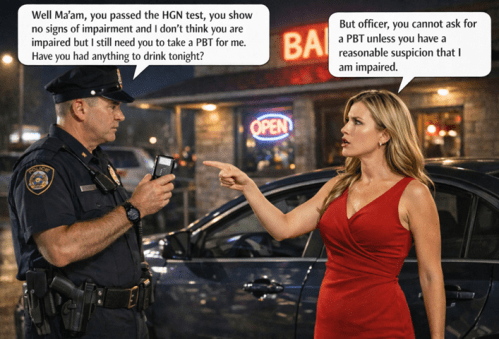
The ruling may surprise many practitioners. In Lorsung, the driver admitted to drinking three beers but displayed no classic signs of impairment, spoke clearly, balanced normally, and even passed the HGN test with zero clues. The officer himself believed the driver did not appear impaired. Yet the Court still concluded that the officer had reasonable suspicion to request a PBT.
The decision significantly reshapes how courts will evaluate reasonable suspicion in DWI investigations. As the Court explains, the absence of traditional indicia of impairment — and even satisfactory roadside performance — may weaken suspicion but does not necessarily eliminate it unless the known facts “conclusively negate” the possibility of impairment.
This training update examines the Court’s reasoning, breaks down the case using the FIRAC method, and highlights several key takeaways that will directly affect suppression litigation, roadside investigations, and client counseling in DWI cases moving forward.
You can read the full training update here:
As always, I hope you find the update helpful. If you believe others in your office or professional network would benefit from it, please feel free to forward it along.
Warm regards,
Alan F. Pendleton
Of Counsel, Martine Law Firm
Director of Mentorship and Education
Former District Court Judge
Minnesota Judicial Training & Education Blog


 MINNESOTA JUDICIAL TRAINING & EDUCATION BLOG